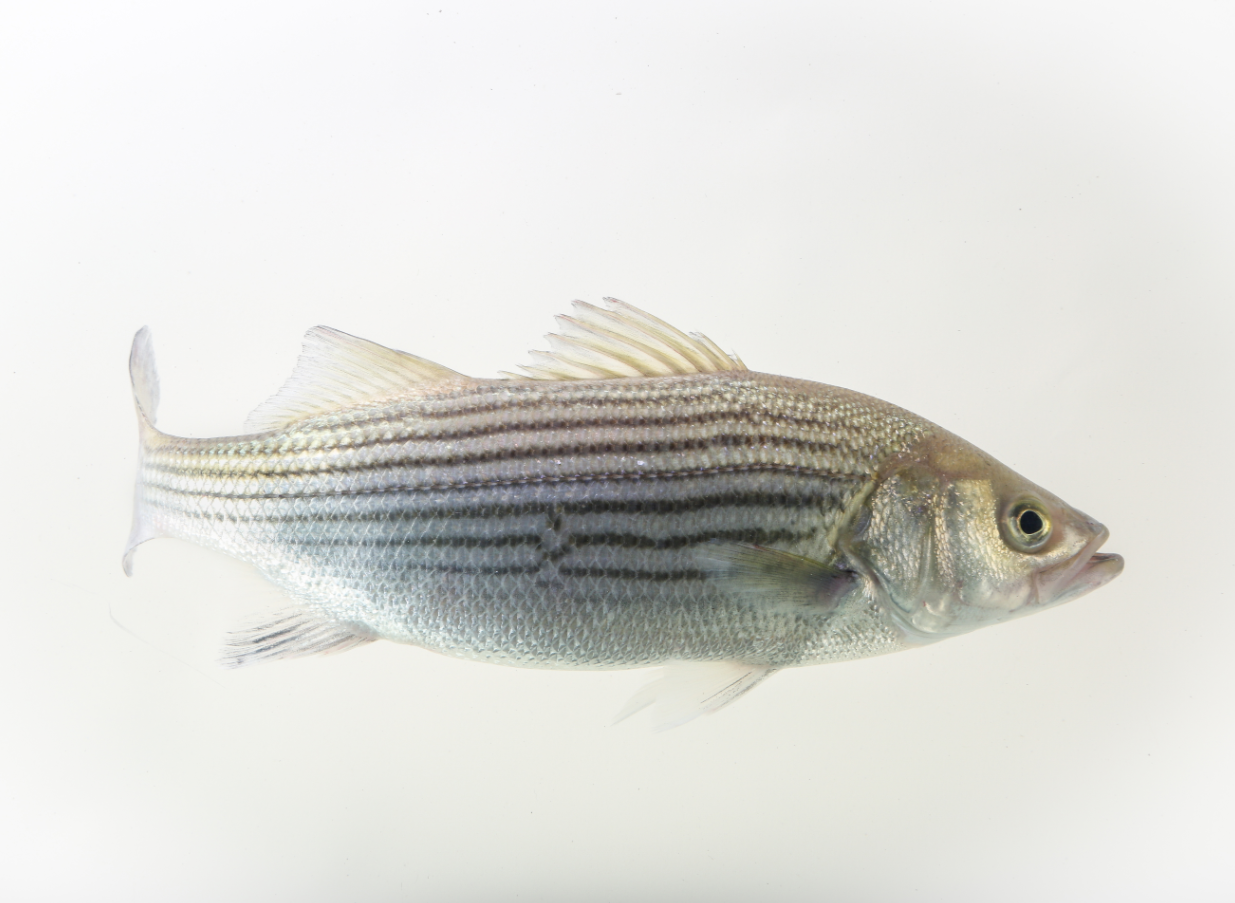
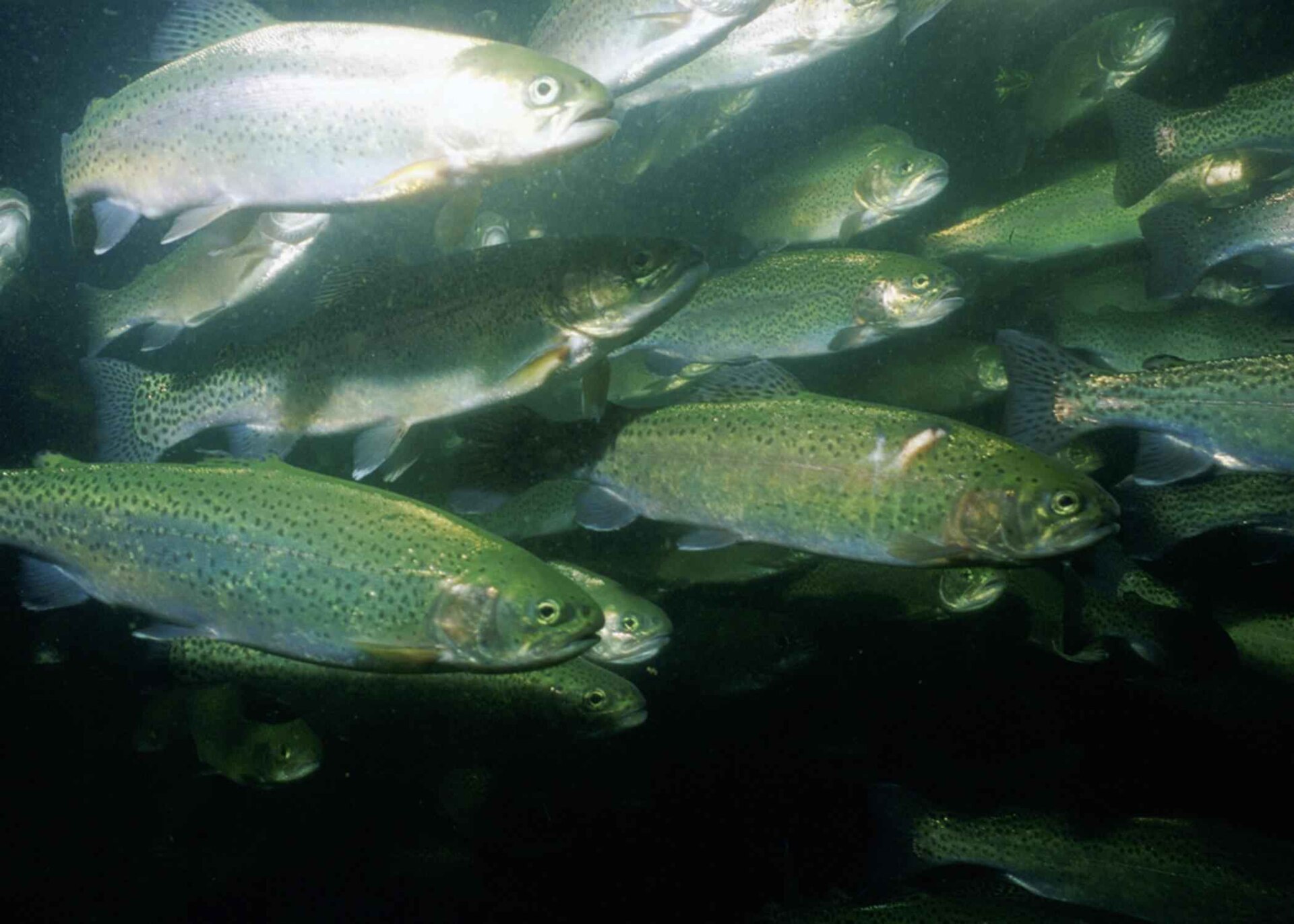
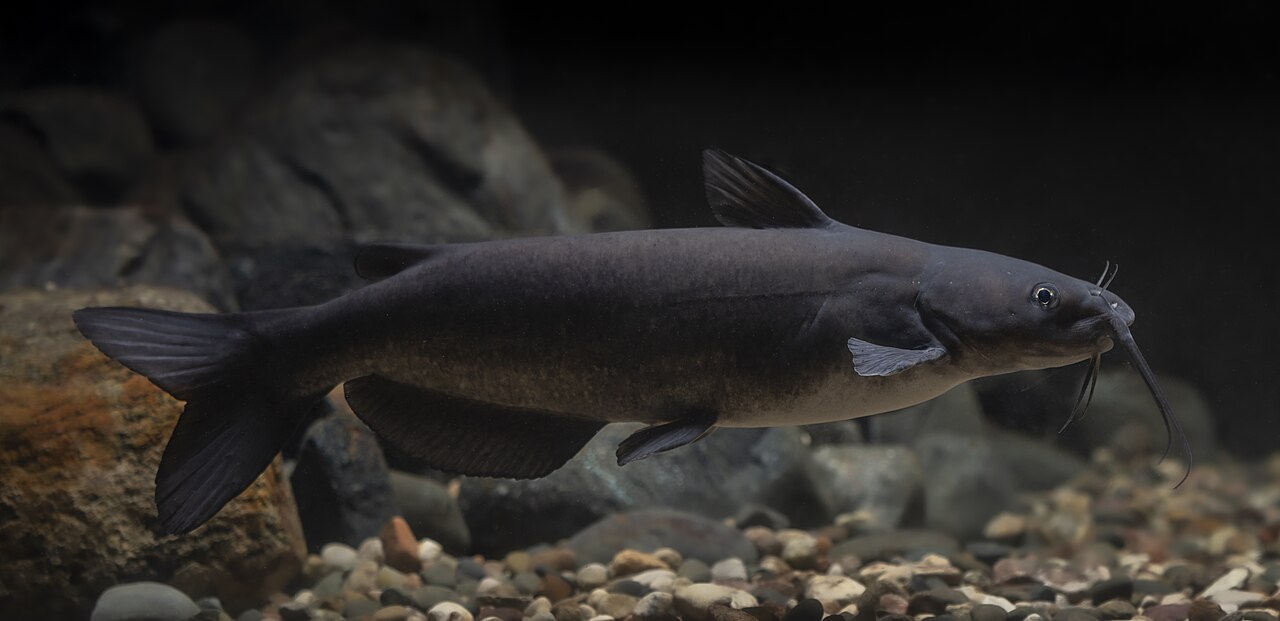
Field marks
- 01Jaw extends behind the eye
- 02Broad dark horizontal side band
- 03Deep-bodied profile with a notched dorsal fin

Freshwater · Lakes and reservoirs
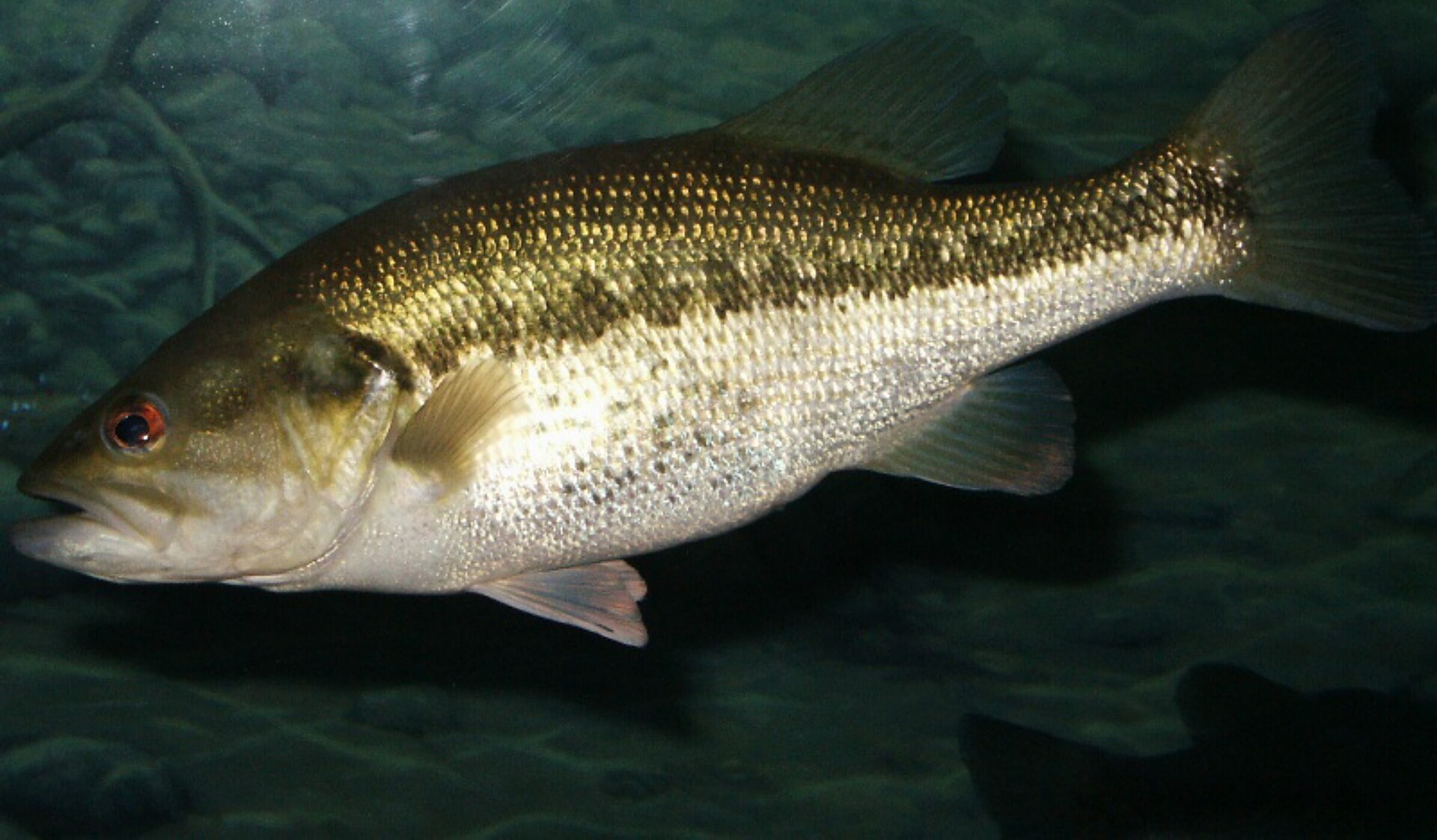
Use multiple physical markers together. Color alone is unreliable after capture and varies with light, age, stress, and habitat.
Jaw usually ends near the eye and sides show vertical bars.
Smaller mouth plus rows of dark spots below the side band.
Vegetation, docks, laydowns, points, rock transitions, creek channels, and shade.
Spring movement and fall feeding are broad planning peaks; water temperature and lake elevation shift timing.
General California planning pattern. Conditions, migration, stocking, closures, and exact water can override it.
Cover-oriented ambush predator whose position changes with temperature, light, forage, and seasonal movement.
Shad, bluegill, crayfish, insects, frogs, and small fish.
Texas-rigged worm, jig, spinnerbait, crankbait, frog, or swimbait.
Nightcrawler, live shad where legal, or crayfish where permitted.
Probe shade and cover with a weedless presentation
Follow points and channel swings during transitions
Match lure depth to the active forage layer
Reel Fishing Society intentionally does not hard-code possession limits here. Rules can change by date, species, exact water, management area, depth, gear, method, emergency action, or protected-area boundary.